Moving to Nice with a Family
Relocating to Nice with a family is not just a change of address — it is a complete reorganization of daily life. School schedules, housing choices, transportation, language, and routines all play a central role in how smoothly the transition unfolds. Nice offers an exceptional quality of life for families, but success depends on understanding how the city truly functions beyond first impressions.
This guide explores what family life in Nice really looks like, from neighborhoods and schools to daily logistics and lifestyle adjustments.
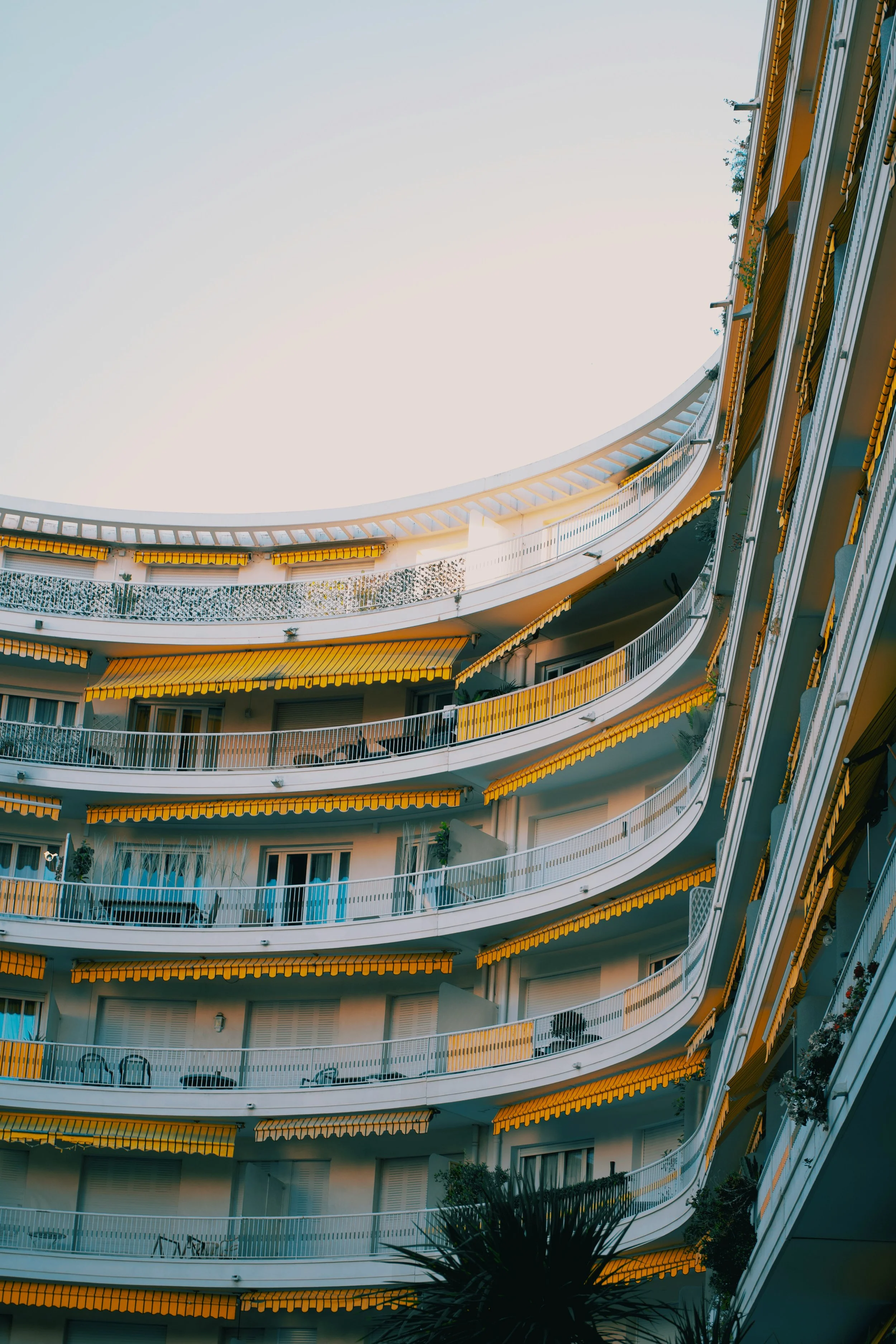
Choosing the Right Neighborhood for Family Life in Nice
Nice is a city of neighborhoods, and for families, proximity is everything. Daily life is organized around schools, parks, shops, and transport — long commutes are rarely sustainable.
Family-Favored Neighborhoods
Cimiez
Known for its calm, green spaces, museums, and strong school presence. Popular with families seeking stability and a residential atmosphere.Libération
Lively, practical, and well connected by tram. Families appreciate its market, walkability, and everyday convenience.Fabron
More space, sea views, and family-sized apartments. Often chosen by families comfortable with using a car.Mont Boron
Quiet and residential, offering nature and views, but requiring careful consideration of transport and school access.
Families who settle successfully tend to build their lives within a limited radius, minimizing daily travel.
Schooling in Nice: What Families Need to Know
Education is often the most complex aspect of relocating with children.
The French School System
Public schools in France follow strict catchment areas (carte scolaire). Enrollment timelines, documentation, and language level are all critical factors. Integration can be smooth for younger children but requires preparation for older ones.
Private & International Options
Nice and its surroundings offer several private and international schools, often chosen by expatriate families or those planning a temporary stay. These schools may follow different curricula and calendars, which impacts daily logistics.
Early planning is essential, as places can be limited and application deadlines firm.
Daily Logistics with Children
Transportation
Many families rely on walking and the tram for school commutes in central neighborhoods. Cars become more useful in hillside or western areas but introduce parking and timing considerations.
Schedules & Rhythm
School days are structured, lunch hours are fixed, and extracurricular activities often happen mid-week. Evenings tend to be calm, especially compared to larger cities.
Understanding this rhythm early helps families adapt without frustration.
Healthcare and Administrative Stability
Families relocating to Nice must navigate healthcare registration, pediatric care, and administrative systems. France offers excellent healthcare, but access requires proper setup and documentation.
Once systems are in place, day-to-day management becomes reliable and reassuring — a major factor in long-term family comfort.
Social Integration for Children and Parents
Children often integrate faster than adults, especially through school and sports. For parents, integration happens gradually through routines: school gates, local cafés, shared schedules, and neighborhood familiarity.
Nice offers a family-friendly social environment, but relationships develop through consistency rather than spontaneity.
Lifestyle Adjustments for Long-Term Balance
Living in Nice with a family means adapting expectations:
Weekdays are structured and calm
Social life often shifts to weekends
Outdoor activities replace indoor ones year-round
The city rewards families who embrace routine, proximity, and simplicity.
When Nice Becomes a Family Home
The transition feels complete when daily life becomes intuitive — when schools, transport, and routines align naturally. At that point, Nice stops feeling like a relocation destination and becomes a place where children grow, habits form, and stability settles in.
For families, success in Nice is built on preparation, realistic expectations, and choosing the right environment from the start.